Sustaining Rural Canada
How can it thrive, not just survive?

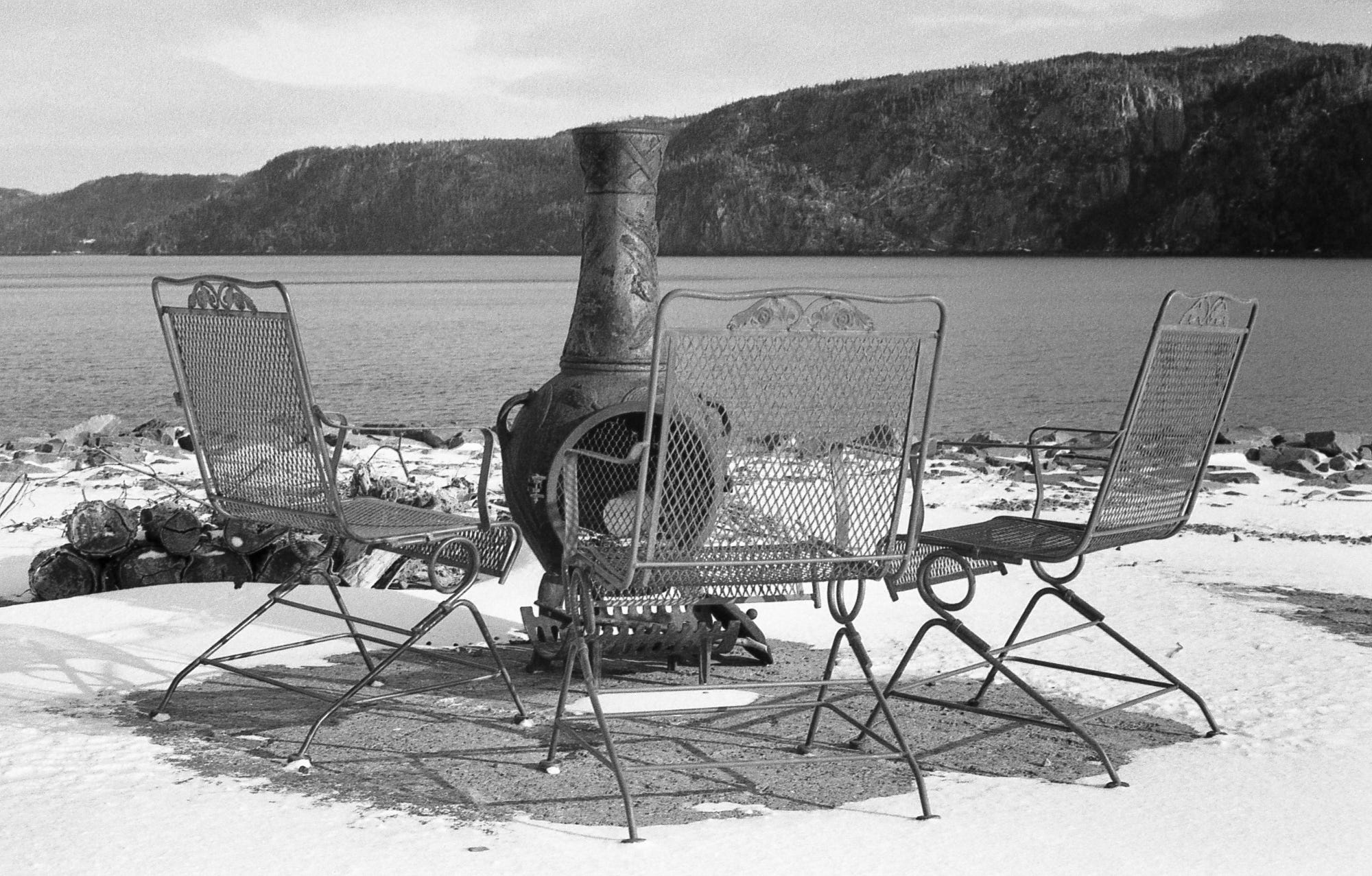
Canada’s rural communities face numerous challenges that are amplified by corporate concentration in key industries and the federal government’s persistent refusal to address them through a comprehensive national rural strategy. This has left rural residents feeling forgotten and sensitive to simplistic, grievance-fuelled politics that, while offering no real solutions, have successfully given voice to the symptoms of rural residents’ frustrations.
I come at this issue from varied perspectives. Having grown up in rural Newfoundland, and still spending a lot of time there, I see that many of these issues present today have only become worse over the decades to the point where many places struggle for their very existence or where only a single decision made in some office far away could turn them into practical deserts for food, financial, medical, education and telecom services. They also often suffer the economic and literal safety-related issues associated with decaying infrastructure. Having lived across Canada from the Atlantic to the Pacific and back again, I’ve been sensitive to the same patterns seen in countless communities.
Economic survival remains a constant worry as the above issues, combined with a lack of economic diversification, create a drag on the potential of these places and the risk of a rapid downward spiral. They are often caught in a catch-22 situation. Too few people to attract profit-maximizing businesses that could offer a diversity of services, poor infrastructure limiting economic potential, and indifferent governments trapped in neoliberal thinking, unwilling to make the investments needed to sustain and develop these communities.
Not all the problems are external, however. Often, there can be a resistance to change and to ideas that drift outside the comfortable boundaries of what residents think their communities should be. There can be an aversion to risk-taking or outside-the-box thinking, which can compound the issues mentioned above.
The community I grew up in was lucky in many ways. Its economy was more diversified than many rural towns around Newfoundland, which were completely dependent on a single industry, the fishery or sometimes mining or forestry. Even so, outside forces imposed themselves on Placentia in rapid-fire succession.
As I wrote previously elsewhere
“On a socio-economic level, the area has also seen profound change in the past thirty years. In the 80’s, the town enjoyed a relatively comfortable prosperity via heavy industry (the nearby phosphorus processing plant), the traditional cod fishery and the Cold War (via the U.S. Naval Station at Argentia).
In rapid succession, beginning at the end of the 80’s, all this changed. The global shift away from phosphate-based detergents resulted in the closure of the phosphorous plant. At around the same time, the Berlin Wall came down, and the Cold War ended. As part of the peace dividend, the United States began closing military facilities around the world, one of which was at Argentia. In between, the historic Newfoundland cod fishery was closed, and the fishing industry was virtually shut down overnight. These events threw the community into an economic crisis for the rest of the decade. If it weren’t for the service industry and a cohort of workers who had reached pensionable age by the time of the closure, the community would have surely become a ghost town.
Then things turned again. The global commodities boom led to the construction of a new nickel processing facility on the site of the former phosphorus plant. Newfoundland became “cool”, and tourism boomed, the fishery shifted focus to high-value shellfish, and the oil industry promised new construction projects on the site of the former military base. Prosperity returned for about a decade, and much change came with it. Then the tide went out again. The global economy cooled, and the price of minerals and oil with it. Promised new projects were put on hold, and the massive construction projects previously started wound down. Yet the renewed prosperity still lingers. This isn’t (yet) a replay of the 90’s.”
That last massive new project, the White Rose expansion, has since come and gone as another cycle of resource industry activity fades. The provincial government now hopes for another such boom and bust to see it through its political cycle, all the while turning a blind eye to the realities of climate change and the existential threat now facing this non-renewable oil-driven business model.
Hope springs eternal, as they say, yet hope is not a strategy.
Like countless rural communities across Canada, Placentia has great unfulfilled potential.
What would a plan for rural Canada look like? How could it level up these communities in a sustainable way in the face of climate change, aging populations, monopolistic extractive big businesses from far away, global economic shocks and countless other challenges? What would real resilience look like, not just survival?
Over the coming weeks I’ll dig a little deeper into these issues and some of the ideas that could support our rural communities if governments were to show some creativity and imagination in policy. I don’t presume to have all the answers or identify every problem but I do hope to provoke some fresh thinking and maybe a discussion. I have to start somewhere, so why not right here, right now?